

Do Acoustic Pods Need Sprinklers — Or Are They a Material Alteration?
Date 23.03.2026 Author: Stuart Jones
Do Acoustic Pods Need Sprinklers?
Understanding Fire Regulations, Building Control and the Rise of Movable Pods
As acoustic pods become a common feature in modern workplaces, a question we’re increasingly asked is:
“Do pods need sprinklers and fire beacons?”
It’s a fair question — and one that often comes up late in a project, when decisions have already been made.
The short answer?
It depends.
But the longer answer is far more interesting — and important.
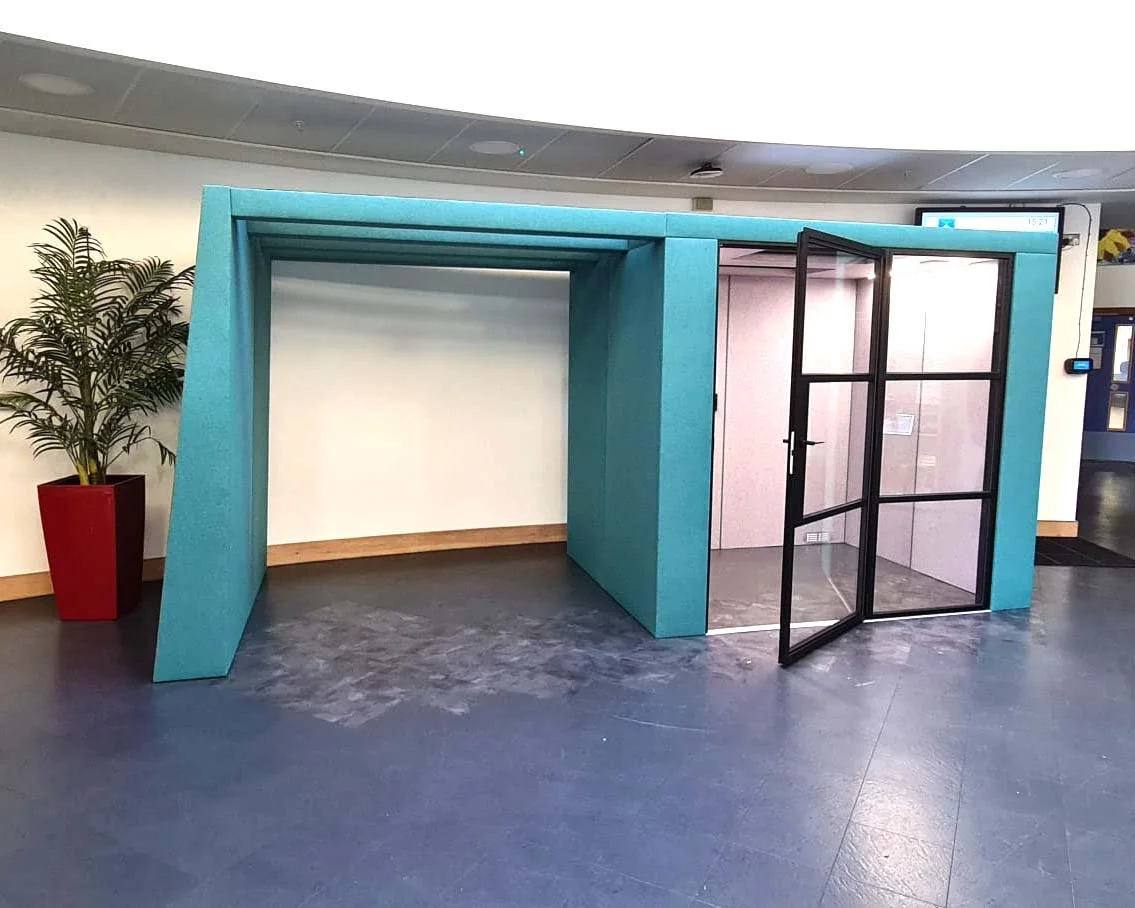
A Shift in Thinking: Movable, Not Fixed
At AgileAcoustics, this is something we’ve been thinking about carefully.
Our Raise&Relocate Pods have been designed with this challenge in mind:
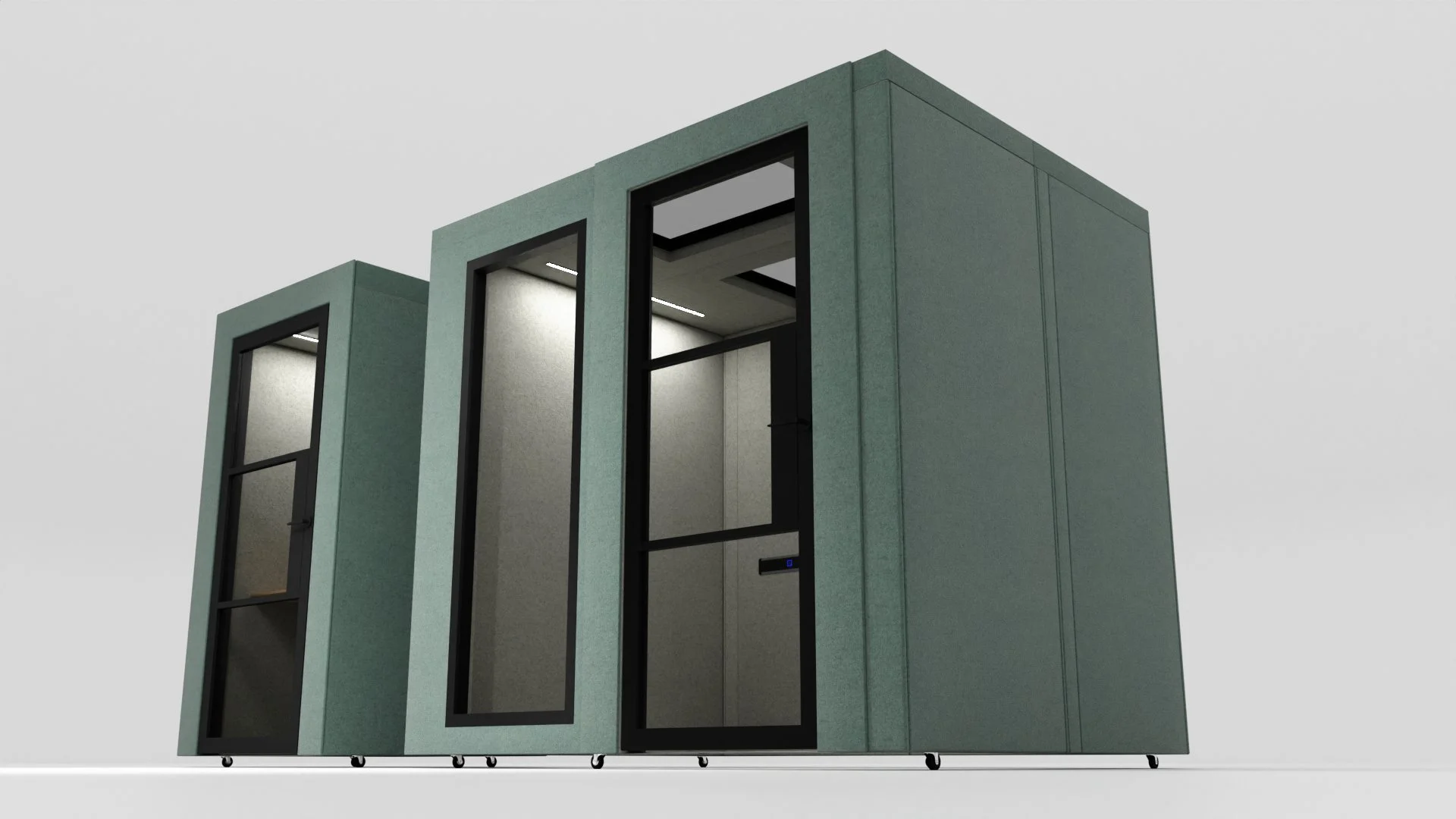
They are not fixed to the building fabric
They have no permanent service connections
They can be raised and repositioned easily within a space
They can be relocated without tools or specialist contractors
This opens up a different conversation.
Rather than being treated as part of the building, there is a strong case for these pods to be considered furniture that happens to provide acoustic enclosure.
And in some projects, this has meant that internal sprinklers and additional systems have not been required — with the base building systems continuing to provide coverage.
Why Design Intent Matters
This is where design becomes critical.
Pods that:
Block fire detection
Interfere with sprinkler coverage
Disrupt escape routes
…are far more likely to trigger additional requirements.
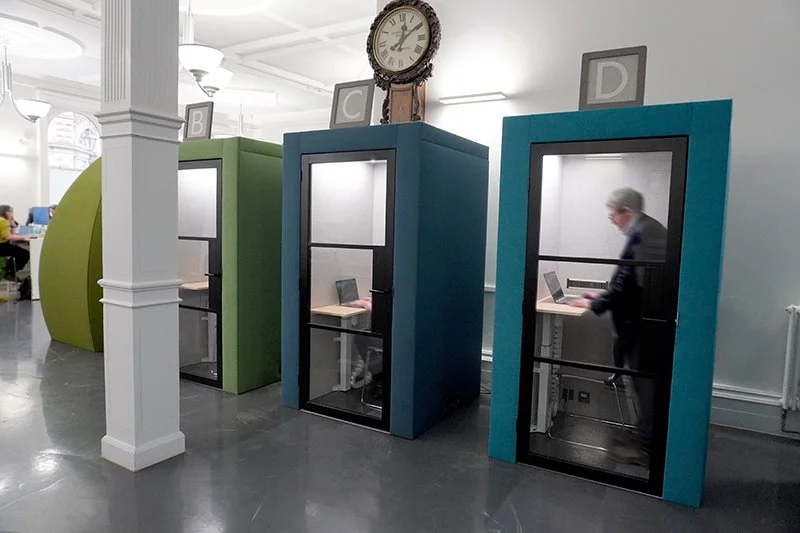
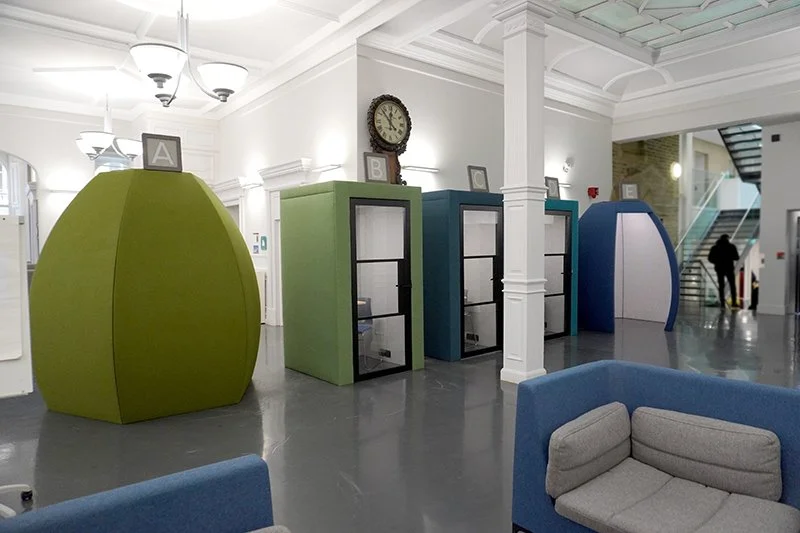
Whereas pods designed to:
Maintain audibility of fire alarms
Preserve visibility and connection to the wider space
Avoid interference with base building systems
…are less likely to be seen as negatively impacting compliance.
At AgileAcoustics, this is a deliberate part of our approach.
Our pods are not designed to be 100% soundproof — and that’s intentional.
Working extensively with public sector clients, one of the most consistent requirements we hear is that users must be able to clearly hear a building fire alarm from within the pod.
Maintaining that connection to the base building systems is a key part of ensuring pods work with the building — not against it.
So What Should You Do?
If you’re considering acoustic pods for your workplace, our advice is simple:
Engage early.
Bring the following stakeholders into the conversation at the outset:
Fire engineer
Building Control (where relevant)
Insurer
And most importantly, ask the question:
How is this pod being classified within the building?
Because that decision will shape everything that follows.

An Evolving Area
It’s worth saying — this is an evolving space.
As pods become more sophisticated (and more widely used), interpretations are still developing across the industry.
What’s clear, however, is that design intent matters.
Pods that are conceived as fixed structures will likely be treated that way.
But pods designed to be truly movable open up new possibilities — both in how spaces are used, and how they are regulated.
Final Thought
What starts as a technical question about sprinklers quickly becomes something more fundamental:
Are we designing workplaces to be fixed — or to adapt over time?
Much of the complexity around pods comes from treating them as permanent structures. When that happens, they begin to inherit the same constraints as the building itself — triggering additional systems, approvals and cost.
But when pods are designed and understood as movable, adaptable elements, the conversation changes.
It becomes less about compliance hurdles — and more about how spaces can evolve without friction.
This is where design intent really matters.
Pods that are conceived as static will likely be treated that way.
But pods designed to work with the building — maintaining audibility of fire alarms, preserving visibility, and avoiding interference with base systems — open up a very different path.
In many cases, they may not even constitute a material alteration at all.
And that has significant implications for cost, flexibility and long-term usability.
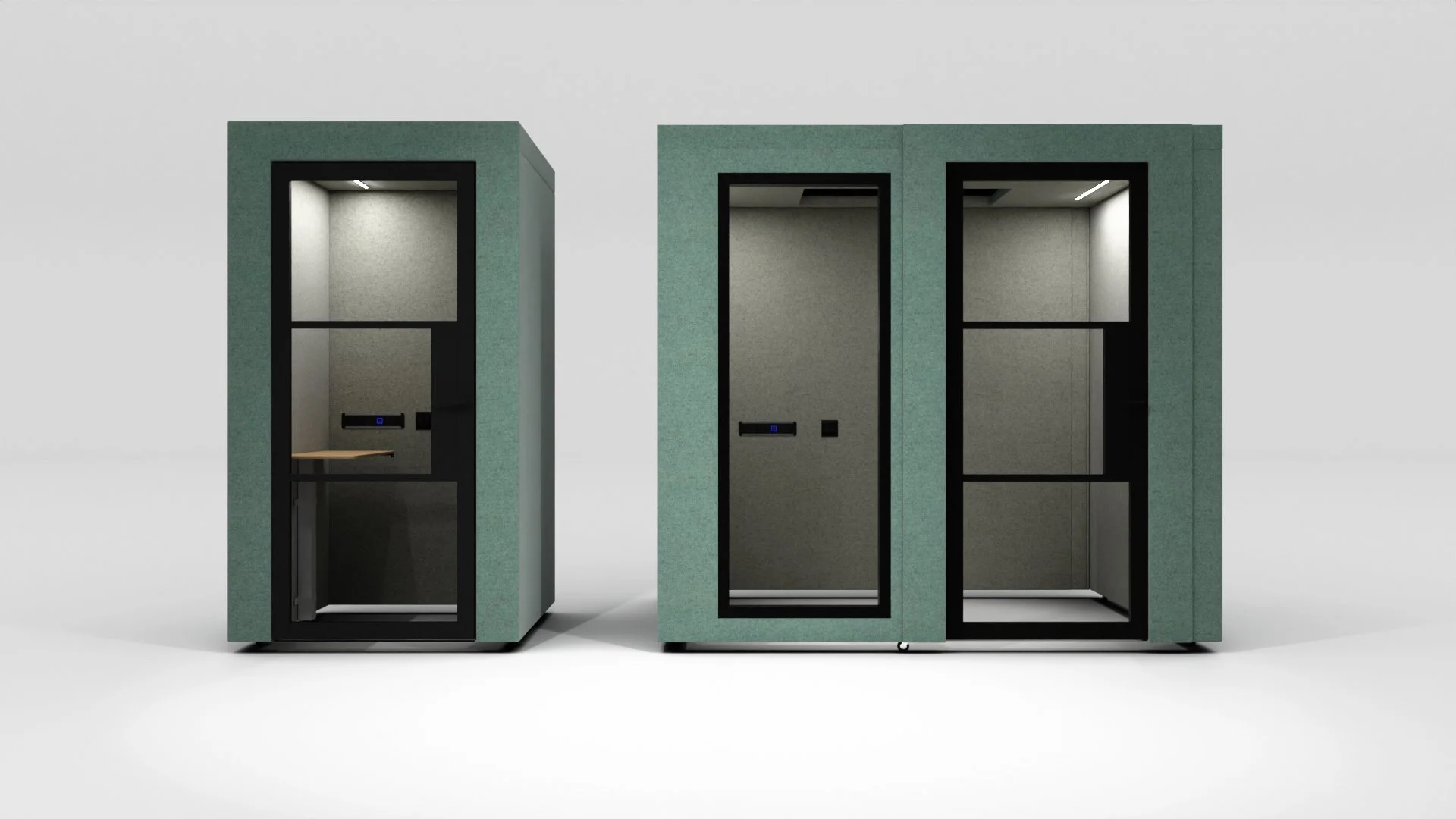
A Shift in Thinking
What we’re seeing is the early stages of a broader shift:
From fixed fit-out
→ to adaptable space
From construction-led decisions
→ to furniture-led flexibility
From design once
→ to adjust over time
The Real Question
So perhaps the question isn’t:
“Do acoustic pods need sprinklers?”
But instead:
“Have they been designed in a way that triggers the need for them?
At AgileAcoustics, we believe the future workplace will not be defined by static layouts, but by environments that can respond, adapt and evolve as organisations change.
And sometimes, that shift starts by rethinking something as simple — and as misunderstood — as an acoustic pod.
The Source of the Confusion
Over the last few years, we’ve seen a noticeable shift in how acoustic pods are interpreted within buildings.
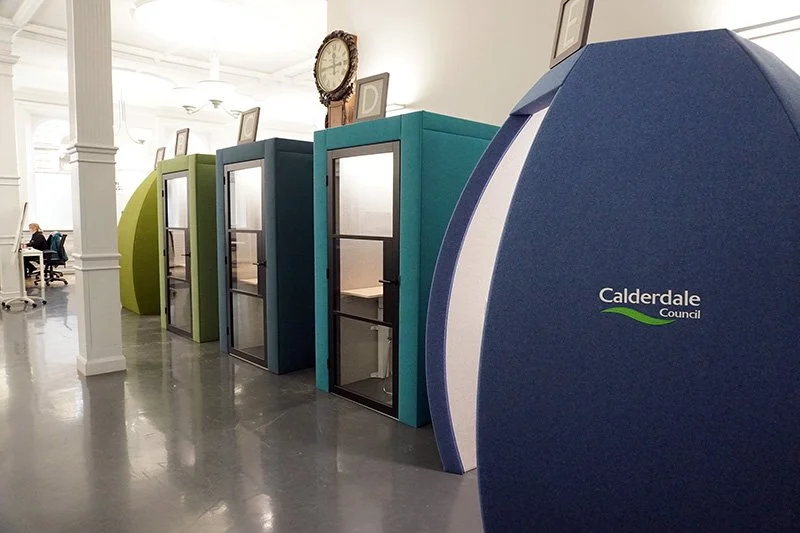
In many projects, pods are no longer viewed as furniture — but as “rooms within rooms.”
And when that happens, it can trigger additional requirements such as:
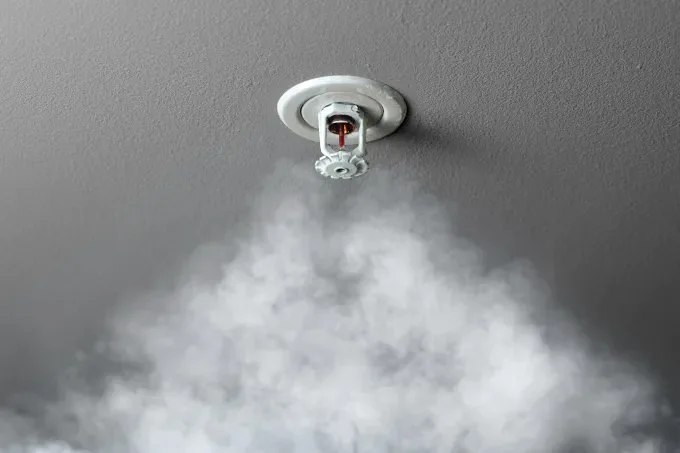
Sprinkler heads
Fire detection systems
Visual/audible beacons
In some cases, full Building Control involvement
At this point, what started as a flexible, plug-and-play solution can quickly become something far more complex.
Is There a Regulation That Requires This?
Not exactly.
There is no single UK regulation that states acoustic pods above a certain size must include sprinklers or fire systems.
Instead, requirements are typically driven by:
The building’s overall fire strategy
The interpretation of the fire engineer
The position of the insurer
Guidance from Building Control Bodies
In other words:
👉 This is interpretation-led, not rule-based.
Are Acoustic Pods a “Material Alteration”?
One of the most overlooked aspects of this discussion is how acoustic pods are treated under the Building Regulations.
In particular, whether installing a pod is considered a “material alteration.”
A material alteration is typically defined as a change that would make a building less compliant with the Building Regulations than it was before.
So, the key question becomes:
Does installing a pod negatively impact the building’s compliance — particularly in relation to fire safety, escape routes, or detection systems?
Guidance in this area suggests that pods are unlikely to be considered a material alteration unless they adversely affect the building’s performance.
In practical terms, this is important.
If a pod is not considered a material alteration:
Building Regulations approval may not be required
The pod may not trigger additional fire systems by default
Responsibility shifts to the project team (including the Principal Designer) to assess suitability
This reinforces a wider point:
👉 There is no automatic regulatory trigger simply based on the presence or size of a pod.
Instead, pods are assessed based on how they interact with the building as a whole.
The Key Question: Furniture or Fixed Structure?
The most important factor is how the pod is classified within the building.
If a pod is treated as a fixed structure — effectively part of the building — then it is more likely to trigger additional fire safety requirements.
But if it is genuinely considered movable furniture, the approach can be very different.
This distinction is critical.